The Twelve-Pound Question: Who Really Pays for a Festival Bargain?
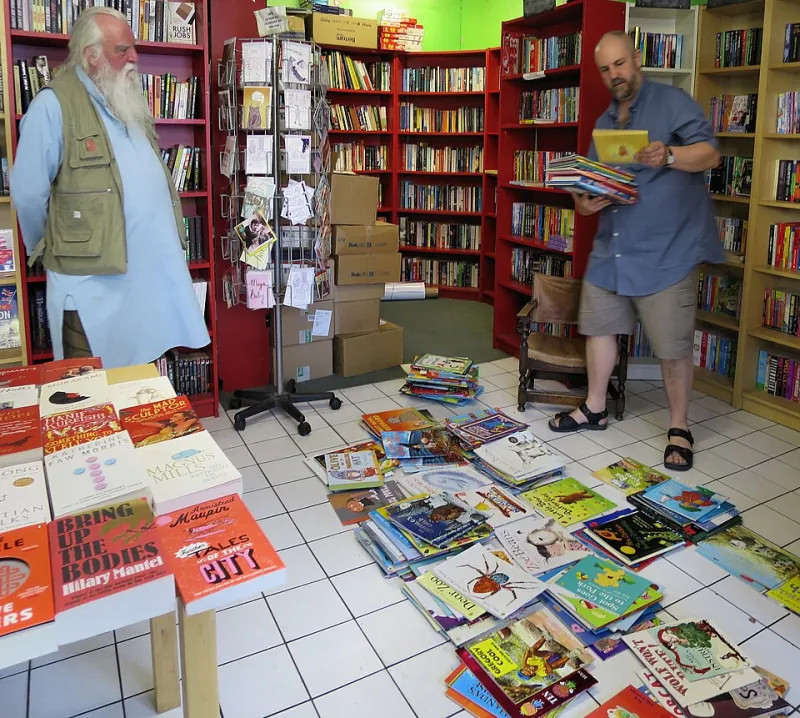
Photo: Alan Stanton, CC BY-SA 2.0, via Wikimedia Commons
Somewhere on the festival circuit, a ticket is being sold for £12. It looks like a bargain. It might be a bargain. But the £12 ticket is never just a ticket. It is a small economic decision with a long shadow, and in 2026 that shadow is falling across the independent bookshops that make literary festivals feel like places rather than pop-ups.
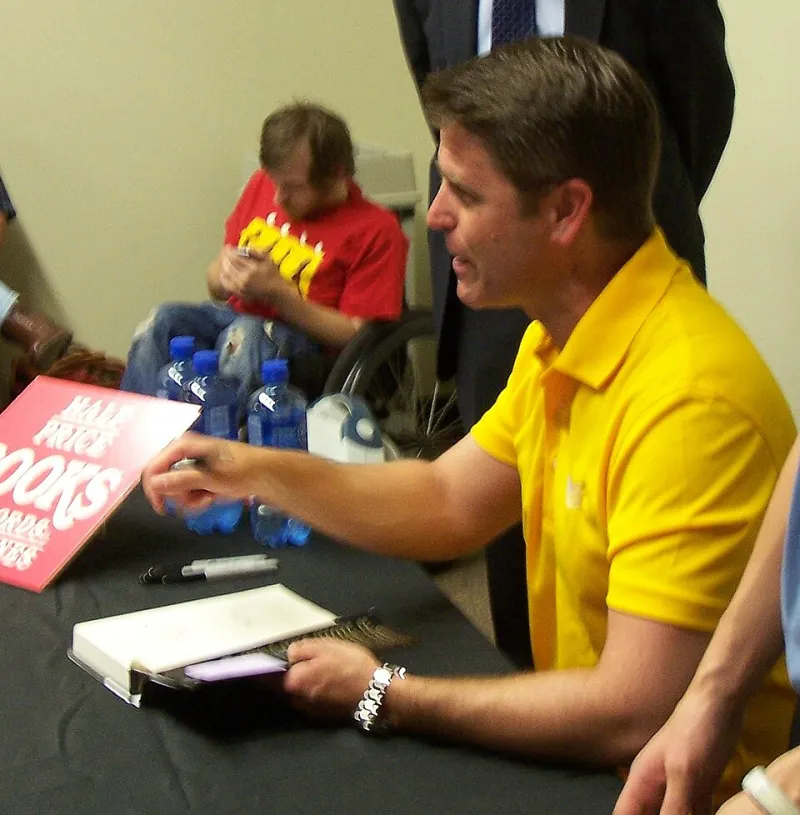
The pitch is familiar. Buy a ticket bundle, get the author's book at a discount, join the signing queue, go home with a signed copy. Festivals get bums on seats. Publishers get a sales spike. Readers get a souvenir. Everyone smiles for the photograph. The problem is that the bookshop at the back of the tent is often the only one in the room who has taken on real risk: stock, staff, card fees, returns, and the quiet humiliation of watching a queue form for a book they are not allowed to sell on favourable terms.
The bundle is not a discount, it is a redirect
A £12 ticket that includes a £10 book is not magic. Someone has paid for the difference: the publisher through a special deal, the festival through its programming budget, or the bookshop through a lower margin and a smaller share of the signing queue. Sometimes all three. The bundle is a useful tool, but it is not neutral. It decides where the sale lands before the reader has even entered the room.
One bookseller I spoke to in a Chilterns town put it more bluntly. 'We are not against queues. We are against being the queue's unpaid overflow. If the festival has sold the book before the reader reaches my table, I am a cloakroom with a card machine.' That is not a complaint about readers. It is a complaint about being asked to provide the atmosphere of a bookshop without the economics of one.
What organisers say, and why they are not wrong
Festival directors are not villains. They are juggling venue hire, author fees, insurance, accessibility costs and the small matter of selling enough tickets to do it again next year. A programmer in the region told me: 'The bundle gets people through the door who would not pay £25 for a talk by someone they have never heard of. That is how you grow a reader.'
She has a point. The circuit needs new audiences, and price is a barrier. A £12 ticket can be the difference between a curious reader trying a festival and staying at home. But growing a reader is not the same as growing a local bookshop's till. If the only book a new reader buys all year is the one included in the bundle, the festival has created a ticket-buyer, not necessarily a bookshop customer.
Growth or redirection?
The honest answer is: both, and we do not measure it properly. A discounted bundle can introduce a new reader to an author. It can also simply move a sale that would have happened in the local bookshop three streets away into a festival till. When festivals report ticket sales but not local bookshop sales, we are counting the queue and not the ecosystem.
The signing queue is a poor proxy for literary health. It measures enthusiasm in a room, not sales on a high street. A festival can have a hundred people queuing for a signature and still leave the town's bookshop worse off than it was on Friday morning. That is not a scandal, but it is a design flaw. And design flaws can be fixed.
Exclusivity deals are where it gets sticky
Some festivals sign exclusivity deals with a single bookseller or a chain. That can be efficient. It can also freeze out the shop that has spent years building the local reading culture the festival is borrowing. Exclusivity is not automatically wrong; the terms are what matter. A fair deal should include a minimum stock commitment, a revenue share, a clear returns policy, and permission for local shops to sell the author's backlist at their own events during the festival window.
Too often, the local shop is offered the chance to pay for a table, staff the signing queue and absorb the returns, while the bundle sales flow elsewhere. That is not a partnership. It is a subcontract with a smile.
A fairer model for 2026
The good news is that there is a model that works. It starts with treating the local bookshop as a partner rather than a backdrop.
First, make the ticket bundle a book token redeemable with the local partner shop, not locked to the festival till. If the festival takes a commission, disclose it. Readers will understand. They might even prefer it.
Second, pay bookshops for labour. Staffing a signing table, ordering stock and handling returns is work. A stall fee is not a wage. Build a handling fee into the budget and stop pretending the shop is lucky to be there.
Third, no exclusivity without compensation and a local carve-out. If a festival wants one bookseller to run the whole book operation, fine. But the deal should include a clear payment for that privilege and a route for local shops to sell signed stock afterwards.
Fourth, publish a local bookshop impact line in festival reports. Not just tickets sold, but books sold through local shops, authors hosted, and events co-promoted. What gets measured gets valued.
Fifth, rotate the signing stock. Let local shops order signed copies. Let them host the after-party. Let them be part of the story the festival tells about itself.
The £12 ticket is not the enemy. The enemy is the assumption that a cheap ticket is cheap for everyone. In 2026, the festival circuit has a chance to prove that it can grow readers and local bookshops at the same time. That would be a bargain worth paying for.