Quiet Please: The Radical Case for Silence on the Festival Circuit
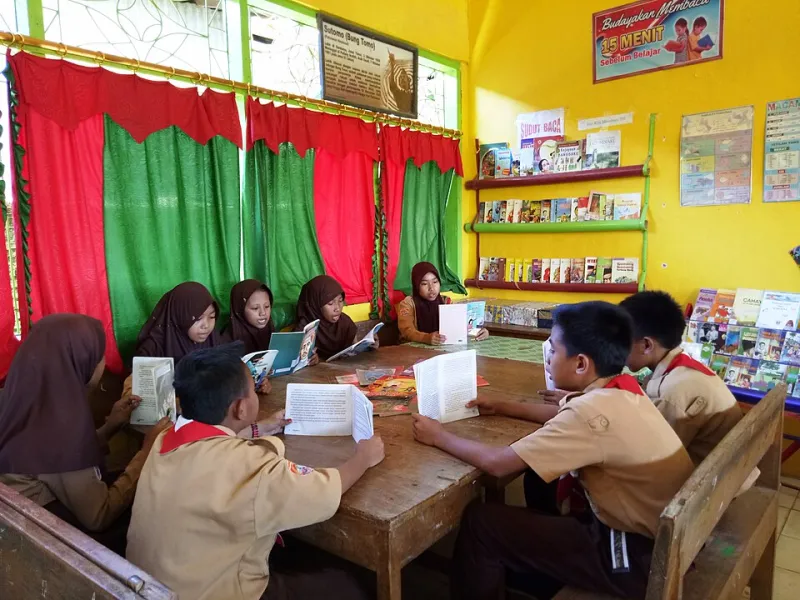
Photo: USAID Indonesia, Public domain, via Wikimedia Commons
There's a particular sound at a literary festival just before an event begins: the shuffle of coats, the crackle of a mic, the low hum of people who have found a seat and are now performing the small social theatre of being ready. It's a pleasant noise. It's also, for some attendees, the point at which they quietly decide not to come back next year.
That's the case for the quiet room. Not as a novelty, not as a corner where the shy can be parked, but as a deliberate piece of festival design. Across the UK circuit, silent reading sessions, quiet zones and read-ins are becoming less of an afterthought. The best of them replace applause with page-turns and the pressure to network with the simple permission to sit still with a book.
The extrovert bias is real
Festivals are, by default, social machines. Panels reward the confident questioner. Signings reward the person willing to queue. Workshops reward the one who speaks first. None of that is malicious, but it adds up to an environment where the loudest reader in the room gets the most out of the day. Quiet programming is a counterweight, not a criticism. It says: you can come to a festival and not perform.
Silent reading sessions do this with unusual efficiency. You turn up, you bring a book or borrow one, you sit with other people and read. That's it. There is no Q&A, no chair, no 'and finally, a question from the back'. The event's success is measured in concentration, not applause.
Why it feels radical
The radical bit isn't the silence. It's the refusal to treat reading as a warm-up act for talking about reading. Literary festivals exist because books matter, but the circuit can sometimes feel like a trade fair for authorial personality. A silent reading room puts the book back in the middle. It also makes space for readers who are neurodivergent, chronically ill, socially anxious, newly bereaved, or simply tired. That's not a niche. That's a large slice of any festival audience.
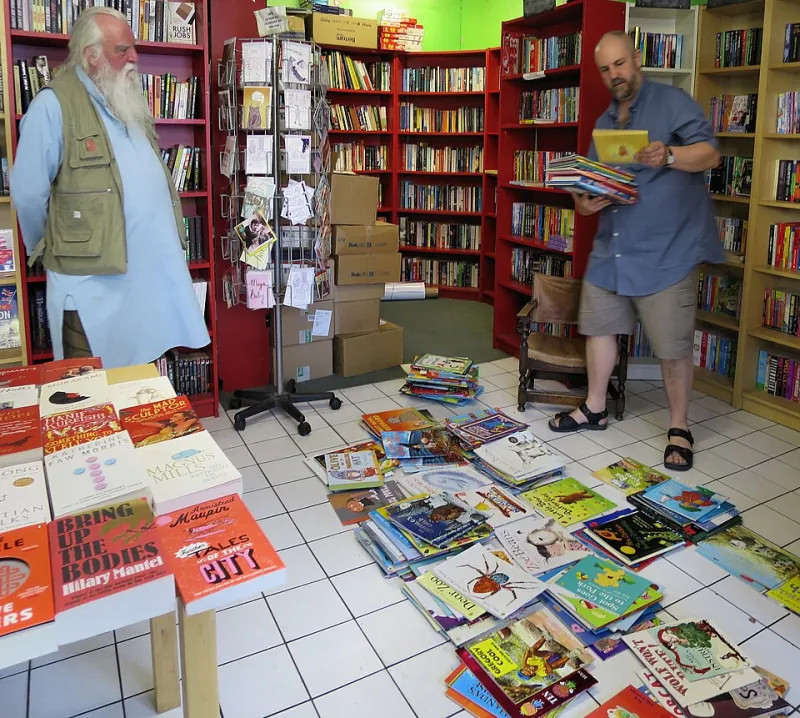
There's a practical argument too. Quiet events are cheap to run and easy to programme. A library room, a church side aisle, a bookshop back room, a marquee with the PA switched off. You need chairs, light, and someone to hold the door. You do not need a green room or a rider.
How to do it well
The mistake is to bolt a quiet room on and then treat it like a lost-property cupboard. Good quiet programming is designed, not donated. A few suggestions for Chilterns festivals:
- Put the quiet room on the main programme, with a proper time and a named host. If it's hidden in a footnote, it will feel like an apology.
- Schedule at least one silent reading session against a headline event. The point is to offer an alternative, not a spillover.
- Say what the room is for. 'Quiet reading' is clearer than 'wellbeing space'. Readers like instructions.
- Keep the commitment low. A 45-minute read-in is easier to try than a three-hour retreat.
- Provide books but don't make them compulsory. The joy is in bringing your own battered paperback.
- Train stewards to protect the silence. A quiet room with a door that bangs is not a quiet room.
Chilterns events have an advantage here. We have small venues, short walks between them, and a bookshop culture that already understands the pleasure of a quiet hour. A festival in Berkhamsted or Amersham can programme a read-in in a church, a library or the back of a shop without pretending to be a conference. That's not a lack of ambition. It's a better fit.
Silence is not the opposite of energy
The fear is that quiet programming will make a festival feel flat. In practice, the opposite tends to happen. A calm room gives people the capacity to engage elsewhere. It gives the day a rhythm. It also sends a signal: this festival is for readers, not just for people who are good at festivals.
So next time you see a silent reading session on a programme, don't read it as the soft option. Read it as the most radical thing on the bill: a room full of people choosing a book over a performance, and finding that the festival is better for it.