Twelve Chairs and a Microphone: Inside the Chilterns' Upstairs-Room Book Circuit
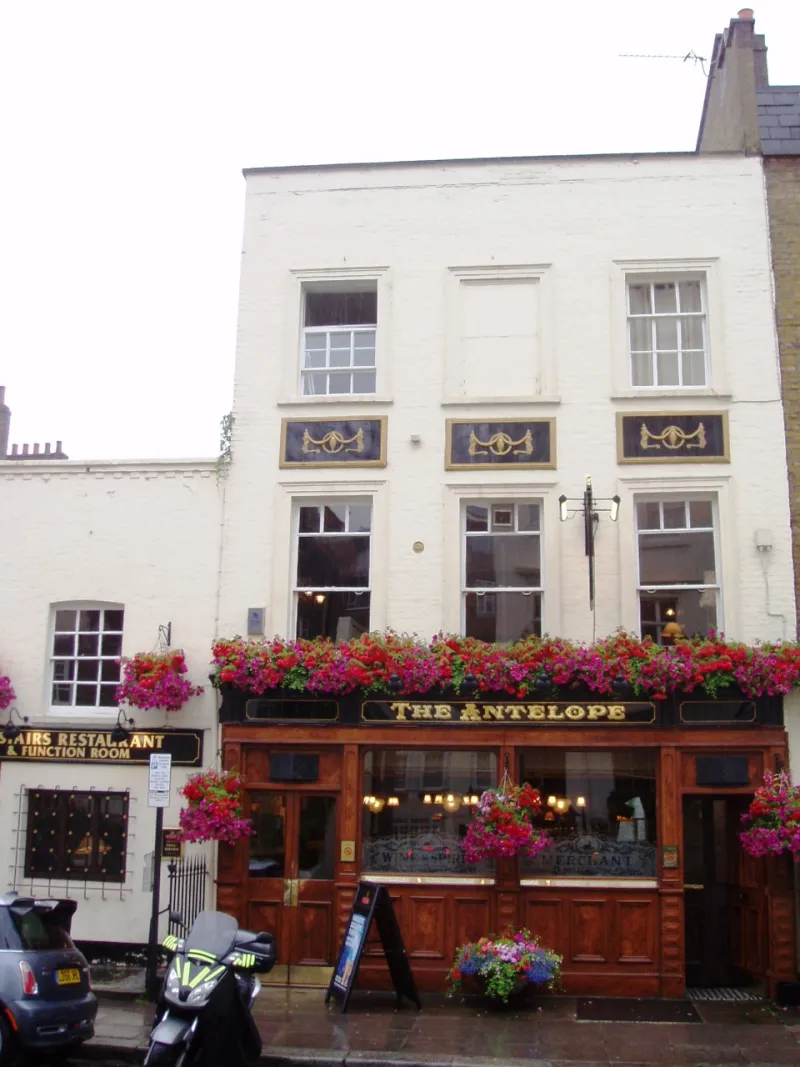
Photo: Ewan Munro from London, UK, CC BY-SA 2.0, via Wikimedia Commons
There is a particular kind of optimism involved in booking a literary event above a pub. Somebody has to look at a room that normally hosts darts, quiz nights and the occasional christening buffet, and decide that yes, this is where a novelist should read for half an hour. Somebody has to carry a portable lamp up a flight of stairs that was clearly designed in an era when nobody expected to arrive with a box of hardbacks.
And yet, across the Chilterns, that's exactly what keeps happening. While the big festival tents get the banners and the sponsored tote bags, a parallel programme of readings, launches and in-conversations runs in function rooms, back halls and converted skittle alleys from Berkhamsted to Watlington. Smaller, cheaper, stranger, and very often better.
Why the room above the saloon beats the main stage
Capacity is the whole point. A panel in a 300-seat marquee has to be built for the middle of the room — the person who has come on a whim, the one who's mainly there for the wine. An upstairs room with thirty-five chairs can afford to be specific.
"We can programme a poet who has sold four hundred copies and know we'll fill the room," says Priya Raman, who runs a monthly reading night in a Berkhamsted pub's first-floor function room. "On a festival main stage that's a risk. Up here it's just a Tuesday."
The other advantage is the Q&A. In a small room, questions don't have to be filtered through a roving microphone runner. Hands go up, people disagree, somebody's dad says something slightly too honest about the ending, and the author — usually delighted — answers properly. You will not get that in a tent with a stage manager waving a five-minute card.
What actually makes a good room for reading aloud
After a couple of years of loitering in these spaces, some patterns emerge.
- Low ceilings are not the enemy. A room with a normal domestic ceiling keeps the voice close. Vaulted barns look wonderful and swallow a quiet reader whole.
- Carpet is your friend. Bare floorboards plus forty chairs plus a fridge compressor below equals a low rumble that never quite goes away.
- Sightlines beat comfort. A shallow room where the back row can see the reader's face is better than a long thin one with a pillar in the middle. Ask about the pillar.
- Lighting should flatter the reader, not the room. Downlighters directly overhead give everyone a slightly haunted look and make the book invisible.
- The door matters more than you'd think. A room where latecomers enter behind the reader's shoulder is fine. One where they enter in front of it is a disaster, and no organiser ever remembers this until it happens.
Landlords, for their part, have learned to plan around it. "We stop the cellar work at six if there's a reading," says Tom Cheshire, who runs a coaching inn in the Tring area with a first-floor room that seats about fifty at a push. "You can hear a glass washer through a wall, so we just don't run one. It's an hour and a half of trade we'd rather keep."
A rough map of the circuit
The upstairs-room scene isn't a single network — it's a dozen small scenes that occasionally bump into each other.
Berkhamsted and Tring tend to host the more established nights, often run by booksellers who've gone freelance and want a room they can control. Expect a paid ticket, a proper bookseller's table and a chair count that gets published in advance.
Chesham and Amersham lean towards launches and one-offs, frequently tied to a local writing group or a library friendship scheme. These are the events where half the audience knows the author, which changes the temperature of the room considerably.
Great Missenden, Wendover and Princes Risborough produce the folklore-and-landscape end of the programme — walks, map readings, the occasional person who brings a lantern.
Marlow, Henley and Watlington fill their back rooms with the kind of non-fiction that gets argued about afterwards in the car park. Expect a queue at the bar and a debate at the end.
How to find these events before they sell out
The frustrating truth is that the smallest events are also the worst advertised, because the organiser is doing it for love and has a day job.
- Follow the pub, not just the festival. Most upstairs rooms have a social media account that posts the full week's programme. The literary night is usually buried between a pub quiz and a Sunday roast notice.
- Check the fringe listing last, not first. Big festivals add small events late, once the main programme is locked. A second look in the week before is often rewarded.
- Join the mailing list of the local independent bookshop. They're usually the ones actually selling tickets, and they know what's nearly gone.
- Phone the venue. Not the box office — the venue. A landlord will happily tell you how many chairs there are and whether the room upstairs is free that Thursday.
- Book for two, not one. Thirty-seat rooms fill in days, and a single ticket is easier to talk yourself out of.
On the night
Arrive early enough to buy a drink downstairs — the bar is part of the economics of the whole thing, and a landlord who makes money on a Tuesday will keep saying yes. Sit three or four rows back: close enough to hear a page turn, far enough that the author isn't reading directly into your face. Bring cash for the book table, because signal in a sixteenth-century cellar is a rumour.
And don't film the reading. There's an unspoken rule up there, and it's the reason authors keep coming back to rooms where nobody is holding up a phone.
The big stages have their place. But if you want the evening you'll still be talking about in March, climb the stairs.