The Ramp, the Loop and the Quiet Room: A 2026 Access Guide to Chilterns Festivals
There is a particular kind of festival optimism that assumes everyone arrives by the same door, hears the same speech and leaves by the same route. The Chilterns circuit is better than that in many places, but not consistently. Access is not a niche add-on; it is the difference between a ticket being a welcome mat and a puzzle. So here is a 2026 field guide, written for readers and useful for organisers, based on the patterns that repeat from village hall to arts centre to temporary marquee.
Start with the doorway, not the brochure
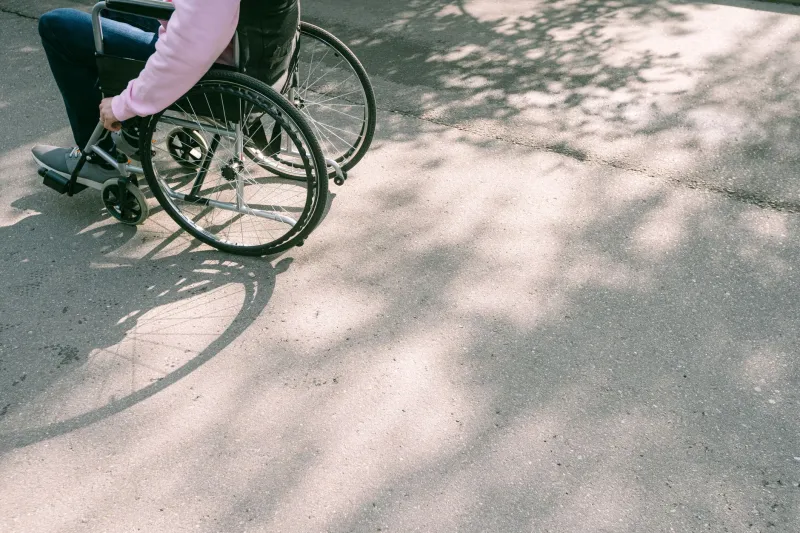
The first test of any literary festival is not the line-up. It is the threshold. Step-free access begins at the pavement, not at the front door: dropped kerbs, temporary matting across gravel, a ramp that does not double as a trip hazard, and a route wide enough for a wheelchair or a walking frame. Village halls are often charming and often tight. A portable ramp stored behind a fire door is not the same as a planned entrance. The best venues publish a photo of the actual route, not a stock image of the building.
Inside, the questions multiply. Is the accessible loo unlocked and on the same level as the main room? Are seats reservable for people who cannot stand in a queue? Is there a clear path to the signing table that does not involve weaving through a hundred knees? None of this requires a grand refurbishment. It requires someone walking the route as a wheelchair user, a visually impaired reader or a parent with a pushchair, and then writing down what they find.
Hearing loops and the invisible barriers
Hearing access is where good festivals and great festivals part company. A hearing loop that exists but is not switched on is a rumour. A loop that is switched on but not signed is a secret. The useful standard is simple: the loop works, the venue says so on the door and in the programme, and the person with the microphone knows how to use it. That means not wandering away from the mic, not turning away to read a passage, and not assuming that a raised voice is the same as a clear one.
Larger events on the circuit have started to offer captioned videos and the occasional BSL interpreter, which is welcome. But the smaller upstairs-room events matter just as much. A ten-pound ticket to hear a novelist in a church hall should come with the same basic information: is there a loop, where is the best seat for it, and who do I ask if it is not working? The answer should not be a shrug and a phone number for the diocese.
The quiet room question
Quiet spaces are still treated as a bonus rather than a baseline. For some readers, a festival is a sensory obstacle course: crowds at the book table, repeated announcements, queuing in a narrow corridor, the particular echo of a high-ceilinged hall. A quiet room does not need to be luxurious. It needs to be easy to find, clearly signed, kept free of storage boxes and not used as a green room for the committee.
The best examples on the Chilterns circuit are almost embarrassingly simple: a side room with soft lighting, a jug of water, a few chairs and a sign that says what it is for. Add a timetable of when it is open and whether it is staffed, and you have solved a problem that many festivals do not even know they have. The readers who need it will not always ask. They will simply not come back.
Programme information is part of access
Most festival websites now have an access page. Few have a useful one. The difference is detail. Does the page say whether the venue has steps, and how many? Does it name the nearest station and the distance from it? Does it explain whether the event is amplified, whether there is a break, whether the room is likely to be crowded, and whether assistance dogs are welcome? Does it give a contact who will actually reply before the day?
A good access page is not a legal disclaimer. It is a promise that someone has thought about the experience from the ticket-buying moment onwards. Festival teams should also remember that programme information is not just for disabled readers. It helps anyone who is anxious, anyone travelling from outside the area, anyone with a hidden condition and anyone who simply wants to know what they are walking into.
A practical checklist for 2026
For festival teams, the checklist is short enough to pin above the kettle. Walk the route from the nearest car park, bus stop and station. Photograph the step-free entrance. Check that the accessible toilet is open and not doubling as a store cupboard. Test the hearing loop with someone who uses one. Publish a named access contact. Reserve front-row seats for people who need them. Put up clear signs for the quiet room. Brief stewards on what to do if something is not working.
For audiences, ask the questions early. A quick email to the box office is a fair test of how a festival handles access, and the answer tells you a lot about the day itself. The Chilterns festival circuit has the venues, the audiences and the goodwill to get this right. What it needs now is less guesswork and more plain, published detail. Access is not a favour. It is part of the programme.